A versatile casting method for medium-to-large ferrous and non-ferrous components, suitable for prototype, small batch and serial production.
Sand casting uses sand-based molds to form liquid metal into the desired component shape. It is the most broadly applicable casting process across part size, material and production volume, and supports post-cast CNC machining and surface finishing.
This page is the reusable detail template for each casting process. Technical parameters below must be filled with verified factory data before public release.
Actual producible grades must be confirmed against production records and inspection reports.
Bases, brackets, wear parts and structural components in ferrous and copper alloys.
All figures below are placeholders. Replace with verified factory data; do not publish unverified ranges.
| Parameter | Capability | Status |
|---|---|---|
| Casting weight range | To be confirmed | Pending factory data |
| Maximum casting dimensions | To be confirmed | Pending factory data |
| Minimum wall thickness | To be confirmed | Pending factory data |
| Dimensional tolerance capability | To be confirmed | Pending factory data |
| Production volume range | To be confirmed | Pending factory data |
| Material range | Iron, steel, stainless, copper alloys | Grades to confirm |
| Surface treatment capability | To be confirmed | Pending factory data |
Incoming material and ladle chemistry check.
Tensile, hardness and impact as required.
CMM and gauge check of critical dimensions.
Visual, MPI, penetrant or UT where specified.
Add authorized customer cases, or keep cases anonymous. Each entry lists product, process, material, machining requirement and application.
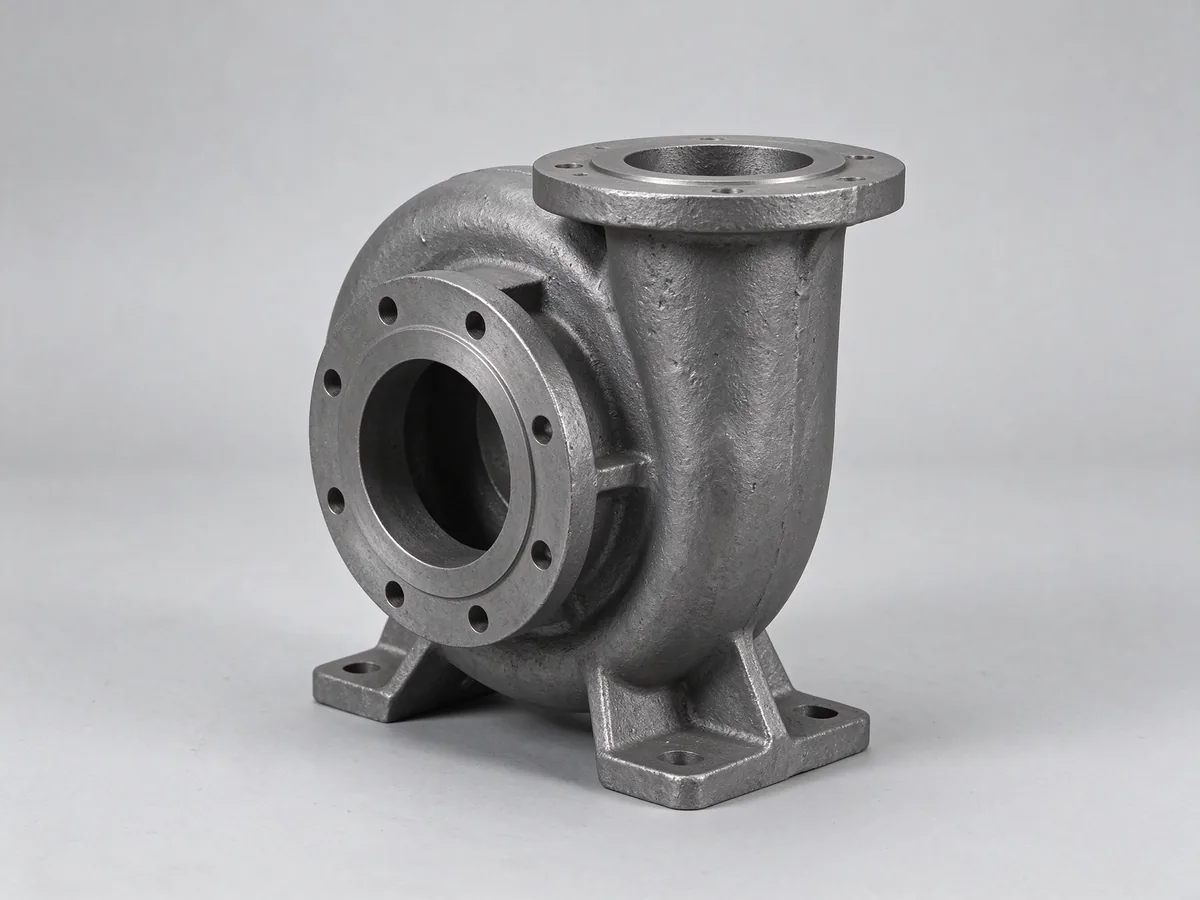
Mating-face and bore machining; pump & valve application.
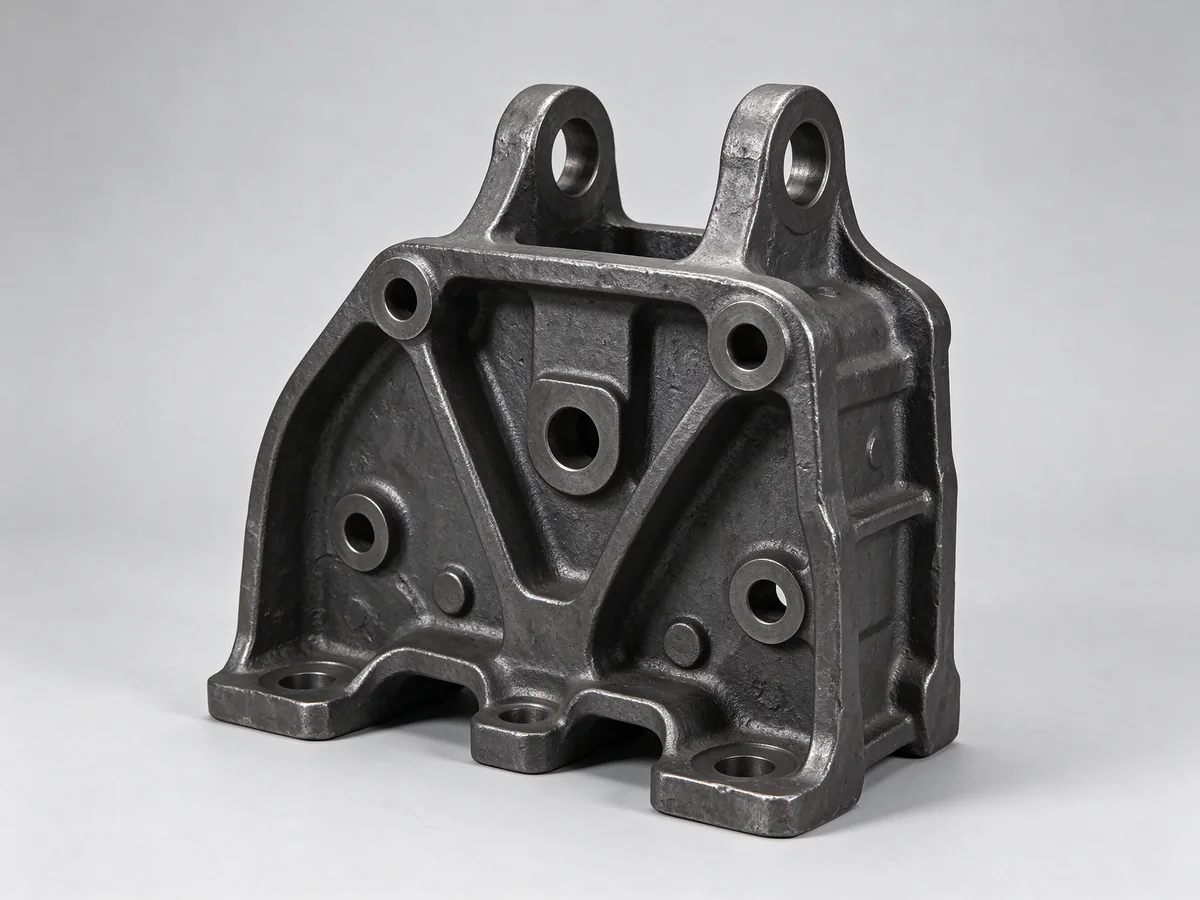
Wear-resistant structural bracket with machining.
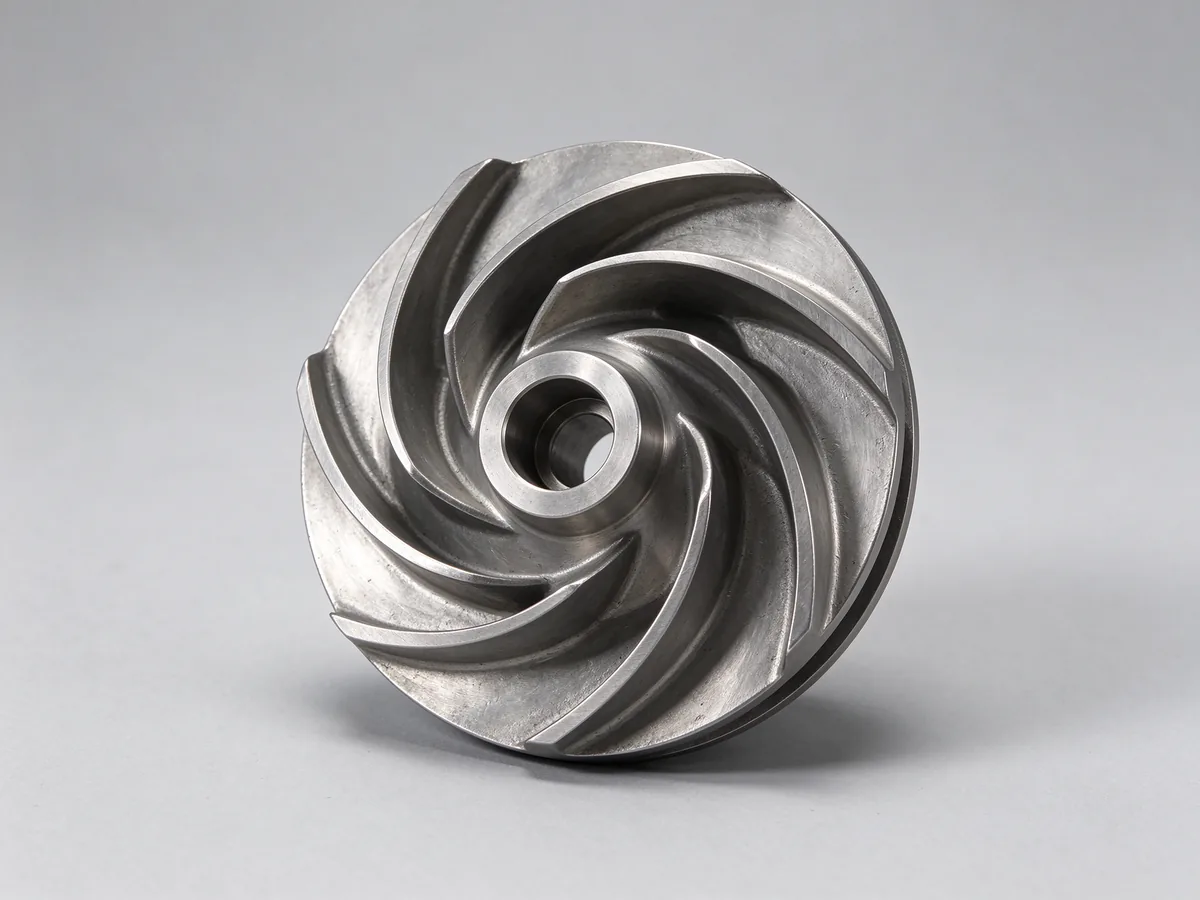
Abrasion-resistant part for material handling.
Send your drawing and requirements; our team will evaluate process, material and quotation.